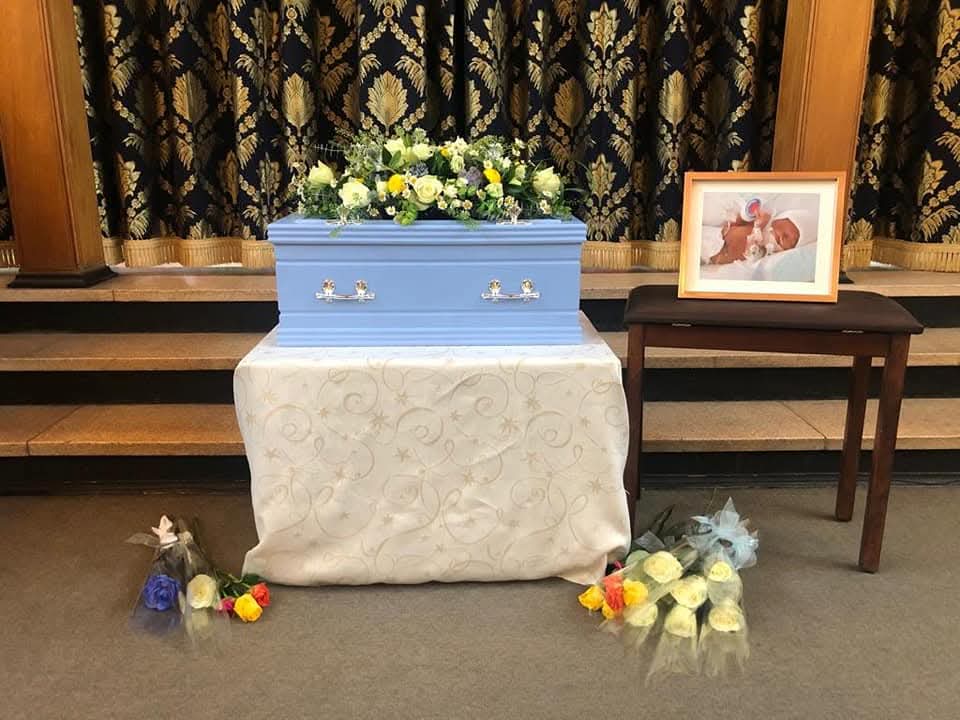
When people read my blogs, many assume my journey with grief began when I lost my parents. The truth is, grief and I met many years before that.
Before Alzheimer’s entered our lives. Before I became a full-time carer. Before I held my dad’s hand as he left this world or found my mum peacefully asleep one February morning.
It began with two tiny babies. Two children who I had the pleasure of being mum too. Two children that changed me, and my outlook forever.
Born nearly 12 months apart, and in frighteningly similar ways.
At just sixteen weeks, my cervix started to open, with our daughter Quinn Dockery. I knew something wasn’t right I repeatedly told the hospital I thought my waters were leaking, but I was reassured it was only my bladder. I wanted to believe them. As mothers, we’re taught to trust the professionals, even when every instinct inside us is screaming that something is wrong.
At nineteen weeks, Quinn Dockery was born. Our beautiful daughter. She was perfect in every single way apart from being fat too early to survive.
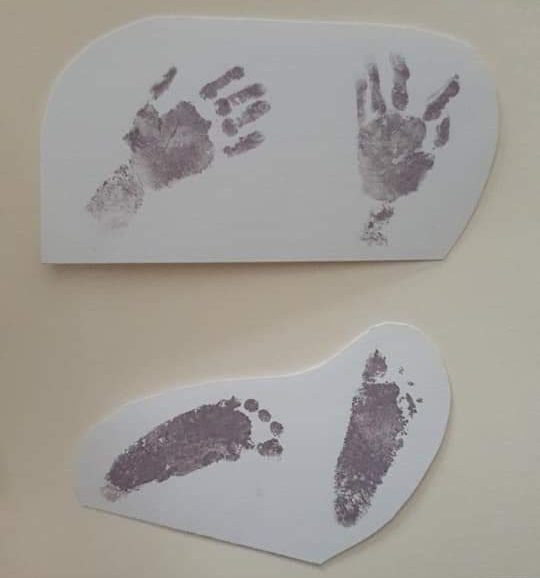
Asif losing our daughter wasn’t enough, I developed sepsis and became very poorly. My husband almost lost both his daughter and his wife in the same day. By some miracle I survived. But surviving and living are two very different things. I remember leaving the hospital with empty arms. Nobody prepares you for that walk. You walk passed parents with newborn’s, hearing tiny cries echoing through the corridors. You watch families smiling as they leave to begin a brand-new chapter.
Then there’s you! Walking out with nothing but heartbreak. The world outside carries on as though nothing has happened. Cars still drive past. People laugh. Shops open. Life continues.
Yet yours has stopped. You leave with memories instead of milestones, wondering how everyone else’s life can continue while yours has just shattered.
A year later and the nightmare returned. It started as hope, wrapped tightly in fear. But saying ‘lightening couldn’t strike twice’ but it did!
The difference this time is the doctor’s listened. I had 6 cervical stitches at 16 weeks when the same thing started to happen. I was then placed on complete bed rest for ten long weeks. Much of that time was spent in hospital. Every bleed, every blood clot and every cramp made us wonder if this was the beginning of the end.
We weren’t counting down to a due date anymore. We were simply trying to buy our little boy one more day. Then another and another.
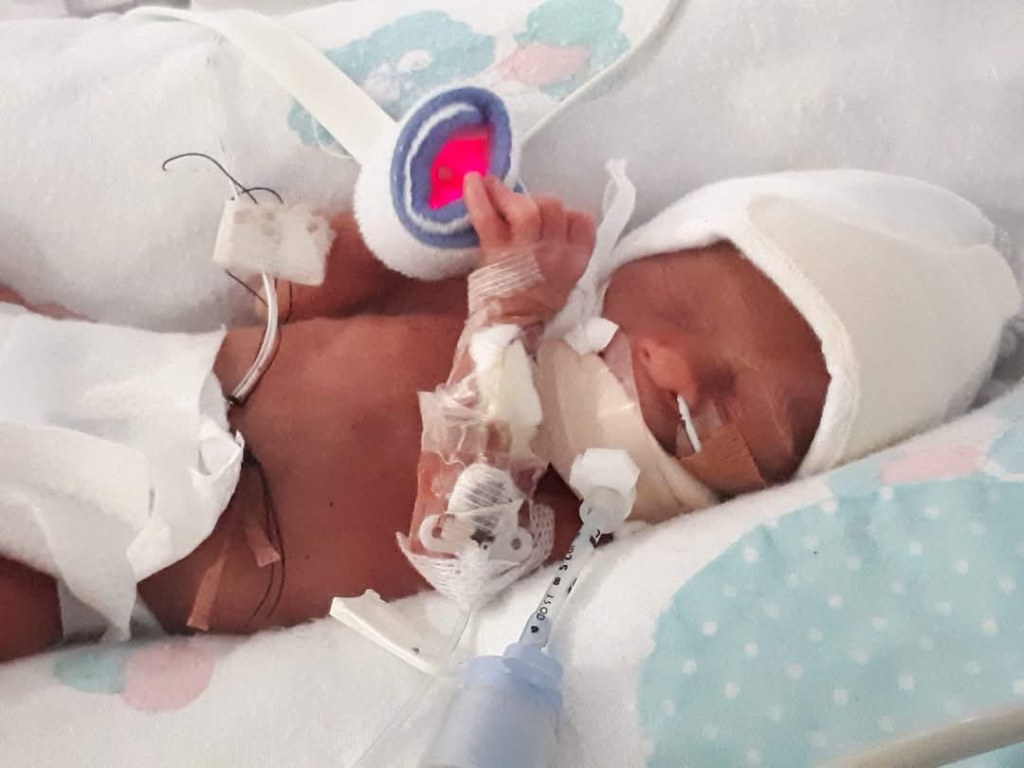
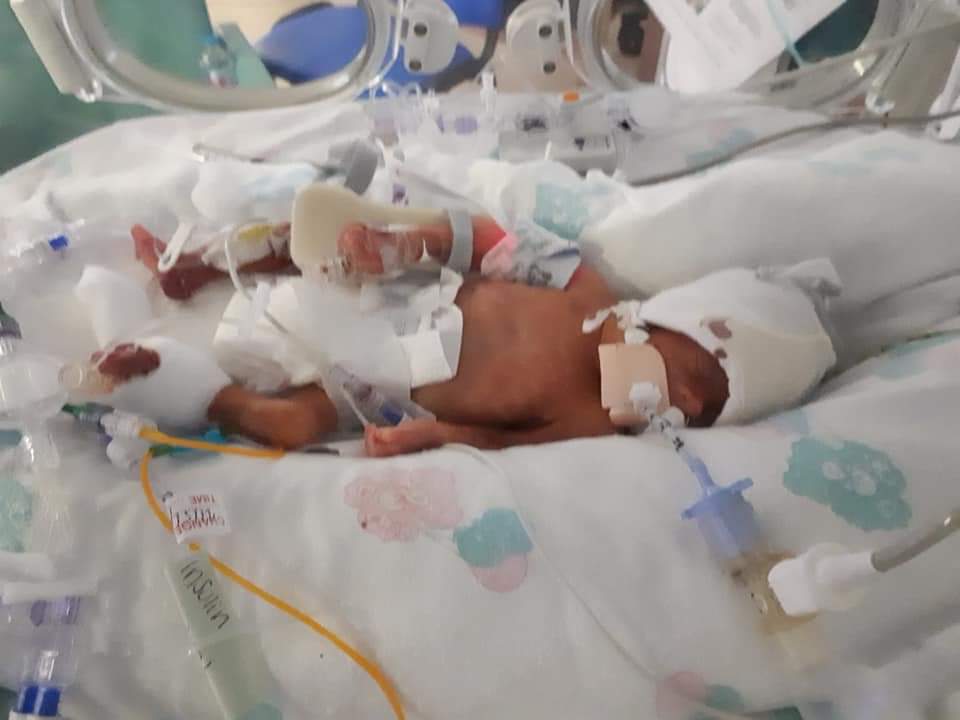
At exactly twenty-four-weeks, Cohen Paul Dockery entered the world fighting like a warrior. He was absolutely perfect. Tint beyond words, but beautiful beyond words.
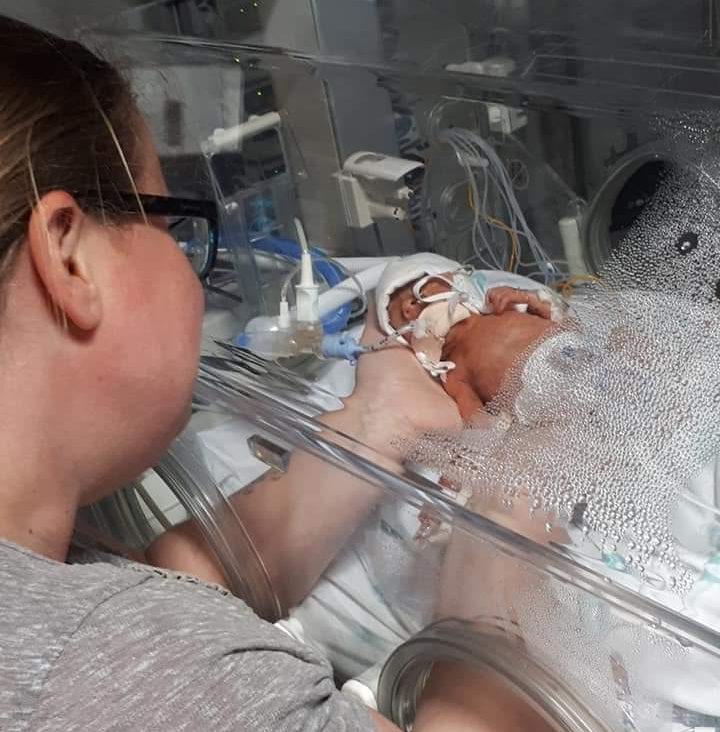
While Cohen was rushed to the neonatal intensive care unit to begin his fight, I was taken into emergency surgery to stop severe bleeding. Neither of us had the beginning we had imagined.
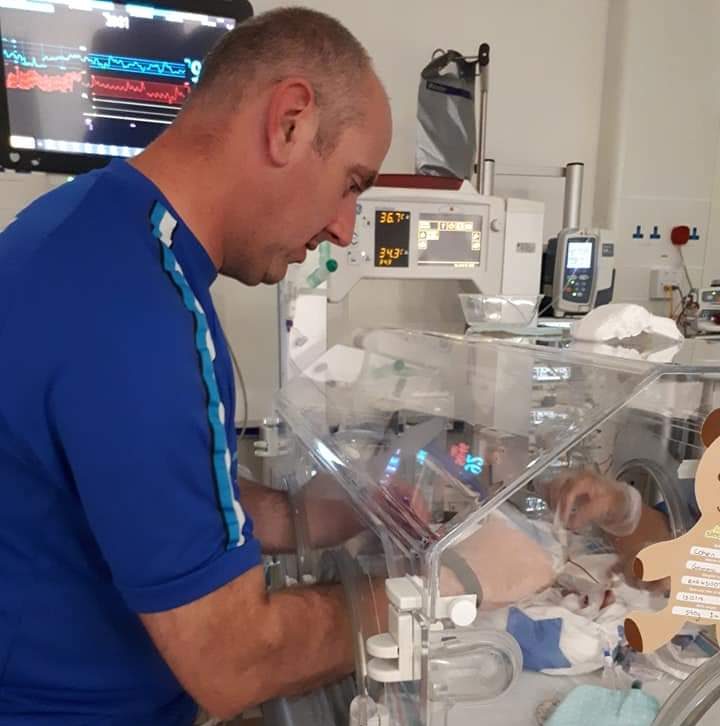
For nine incredible days, Cohen fought like a warrior. Those nine days felt like an entire lifetime. Every alarm made our hearts stop. Every time a doctor walked towards us, we searched their face before they even spoke.
Hope became measured in minutes instead of years. We celebrated things parents of healthy babies never have to think about. A stable heartbeat, another twelve hours, a tiny increase in oxygen, a peaceful hour without complications. Those little victories became everything.
Then everything changed. We knew Cohen was very poorly. Cohen had a severe bleed on the right side of his brain and he was struggling. But on day 8 Cohen’s lung collapsed. Suddenly we found ourselves facing the impossible decision no parent should ever have to make.
Before he was born, we’d made each other a promise. We would fight for Cohen for as long as he was fighting. But the moment his fight became suffering, we would let him go surrounded only by love.
People sometimes ask how parents make that decision. The truth is, you don’t. Love makes it for you. Our job was no longer to fight to keep him here. Our job was to make sure he didn’t leave this world alone.
So we held him. We kissed him. We told him how proud of him we were. And we let our beautiful little warrior go peacefully in our arms. No machines, no beeps, no wires. Just us and him.
Nine days, that’s all we were given.
One of the saddest parts of that time was not having my mum!
Mum was in the early stages of Alzhiemers. She knew something terrible had happened, but she couldn’t fully understand it. She comforted me the best she could, and she really did try. The cruel disease had already begun stealing parts of her and when I needed her most. In many ways, I felt as though I was grieving two people at once.
That experience taught me something I’ve carried ever since. Grief isn’t just sadness. It isn’t just crying. It is love with nowhere to go. It’s reaching into a cupboard years later and finding something you couldn’t bear to throw away. It is wondering what colour their eyes would be now. It is imagining the first steps. It’s the birthdays that never came. The conversations you’ll never have.
Grief doesn’t ask permission to visit. It simply arrives. Sometimes in the supermarket. Sometimes when you hear a child cry. Sometimes in complete silence. It catches you when you least expect it and reminds you that love never disappears simply because someone is no longer here.
People often as where my understanding of grief comes from. It doesn’t come from books. It doesn’t come from qualifications. It comes from living it. From leaving hospitals empty arms. From sitting beside incubators praying for just one more hour. From learning that there are some questions in life that will never have answers.
The years that followed would bring more loss. I would lose my parents. I would lose my ex husband. I would experience grief in entirely different ways all over again. Because every grief is different. Loosing Quinn was not the same as loosing Cohen. Losing my babies was not the same as losing my parents, and losing my ex husband was not the same as losing my parents.
There is no hierarchy in grief. Only different kinds of love.
People often ask how I can still sit with someone else’s grief without trying to fix it. The answer is simple. I’ve learned that grief doesn’t need fixing. It needs witnessing. It needs someone willing to sit beside you in the darkness without rushing you towards the light. Because grief isn’t a problem to solve. It’s the price we pay for loving deeply.
Quinn and Cohen will always be my children. Their footprints on this earth were heartbreakingly small. But the love they left behind is immeasurable. They are part of every chapter of my story, and always will be.
Gemma x


Leave a Reply